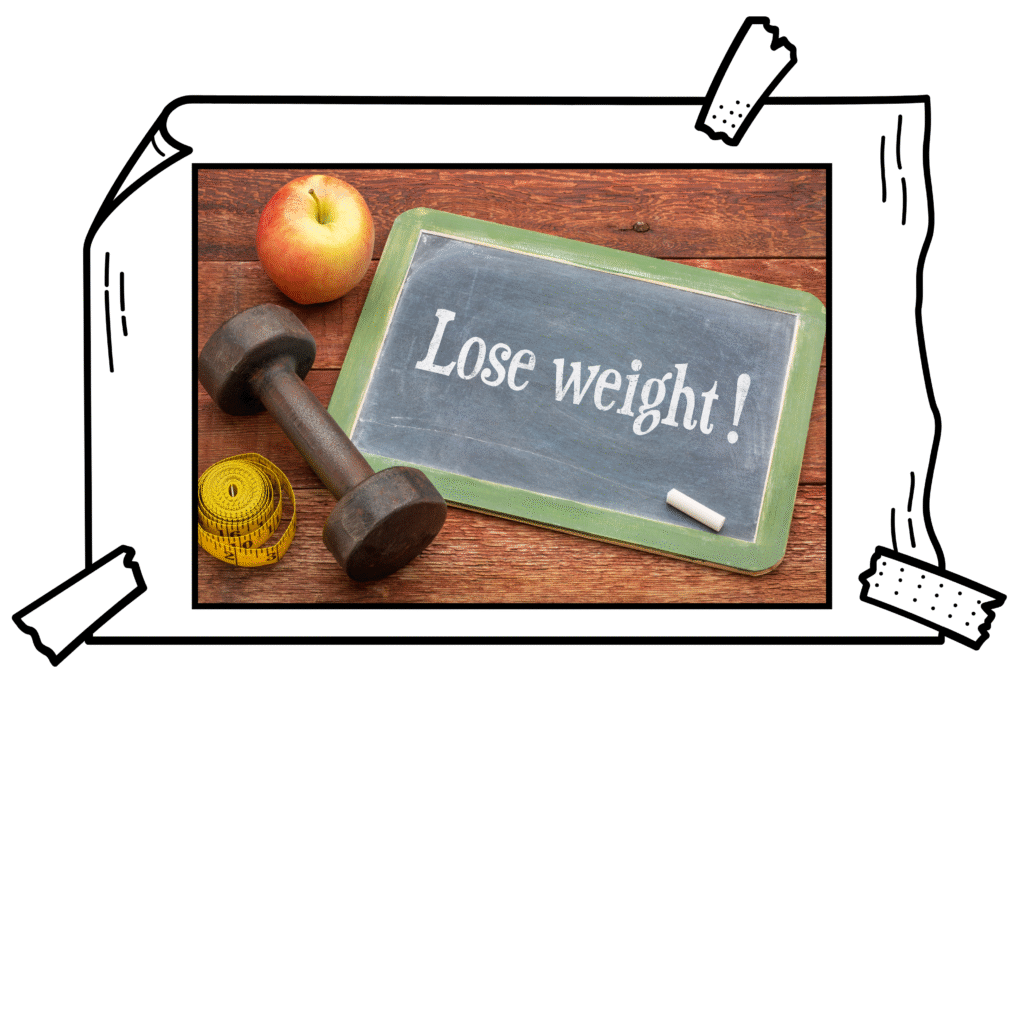

Eating the right kind of food

Moving your body regularly

Building a consistent, healthy routine

Getting enough sleep and managing stress


Losing weight isn’t just about looking good — it’s about feeling healthier, stronger, and more confident. Whether you want to shed a few extra kilos or completely transform your lifestyle, the key lies in understanding your body and making smart, sustainable changes.
In this blog, we’ll walk through effective weight loss tips, healthy diet ideas, exercise routines, and common mistakes to avoid — all backed by simple science and real results.
Weight loss happens when you burn more calories than you consume.
It sounds simple — but it’s more than just eating less. It’s about
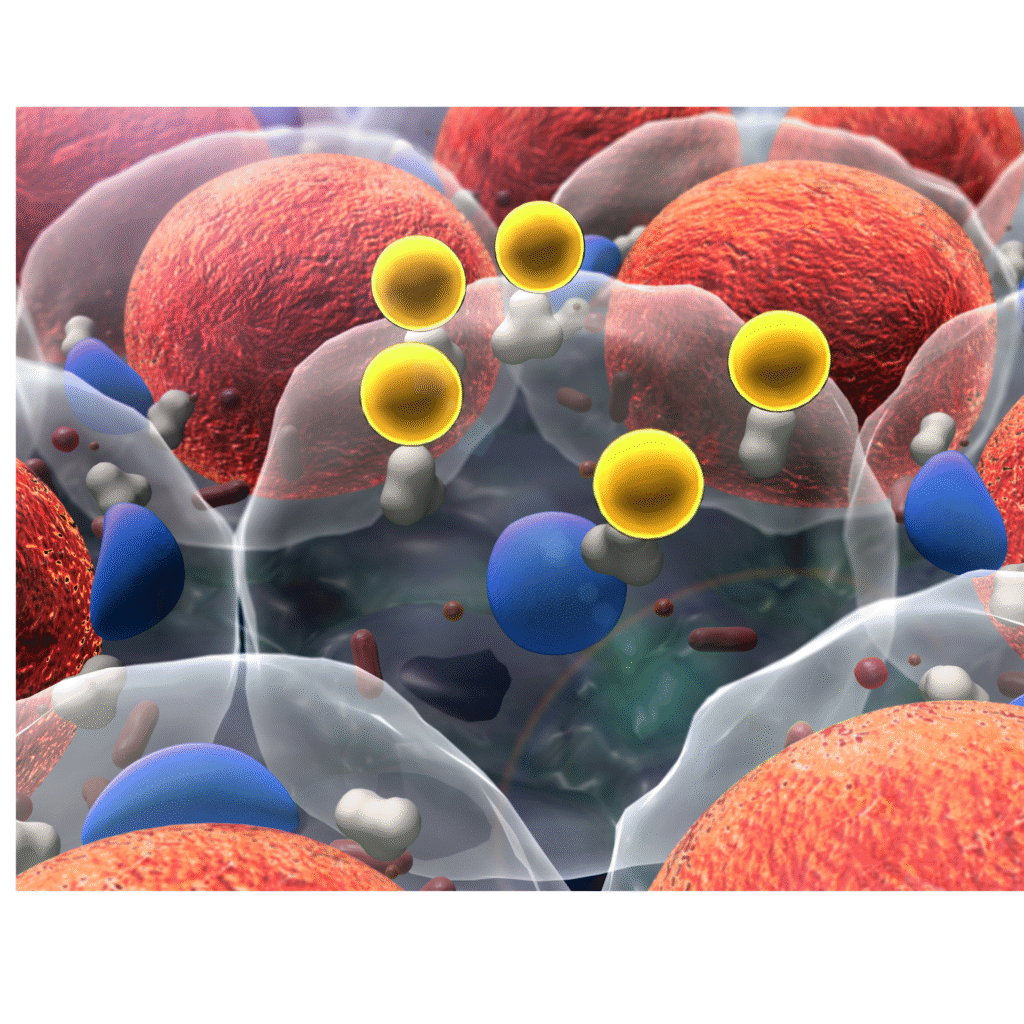
Body fat builds up when your body takes in more calories than it uses. In simple terms, if you eat more food (energy) than your body burns, the extra gets stored as fat. The most common reasons for fat gain include an unhealthy diet full of junk food, sugary drinks, and fried items that add unnecessary calories. A lack of exercise also plays a big role — when you don’t move enough, your body stores unused energy as fat. Poor sleep can increase hunger hormones, leading to overeating, while stress triggers the release of cortisol, a hormone that promotes belly fat. Irregular eating habits, such as skipping meals or eating late at night, can slow down your metabolism. Additionally, hormonal imbalances, such as thyroid or insulin issues, can make it more difficult to burn fat effectively.
Having too much body fat can cause many health problems and affect your overall well-being. Excess fat, especially around the stomach area, puts pressure on your heart, organs, and joints. It can also disturb hormone balance and reduce your energy levels. Maintaining a healthy weight is important to keep your body strong and active.
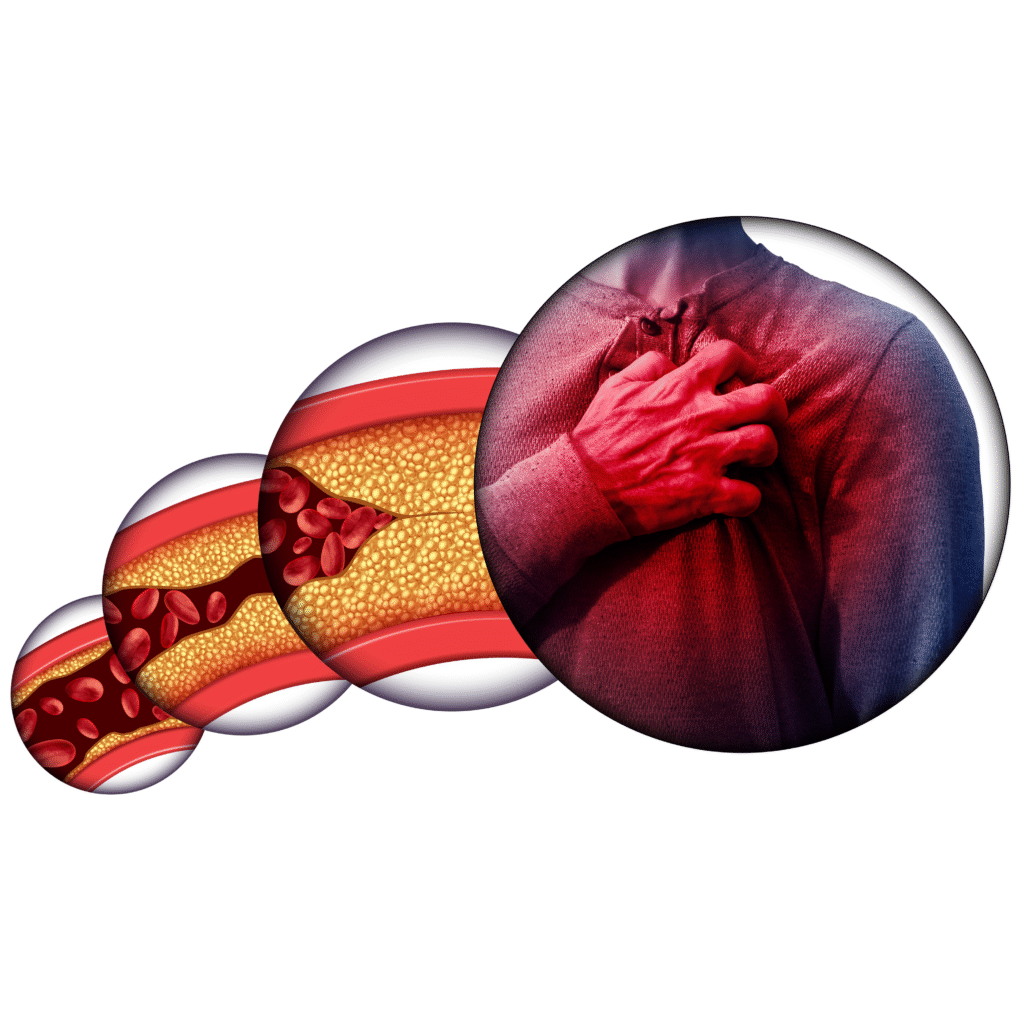
Too much fat increases cholesterol and blocks blood flow, raising the risk of heart attack or stroke.
Being overweight increases the risk of sleep apnea and poor-quality rest.
Excess fat disturbs hormone levels, causing tiredness, mood swings, and slow metabolism.
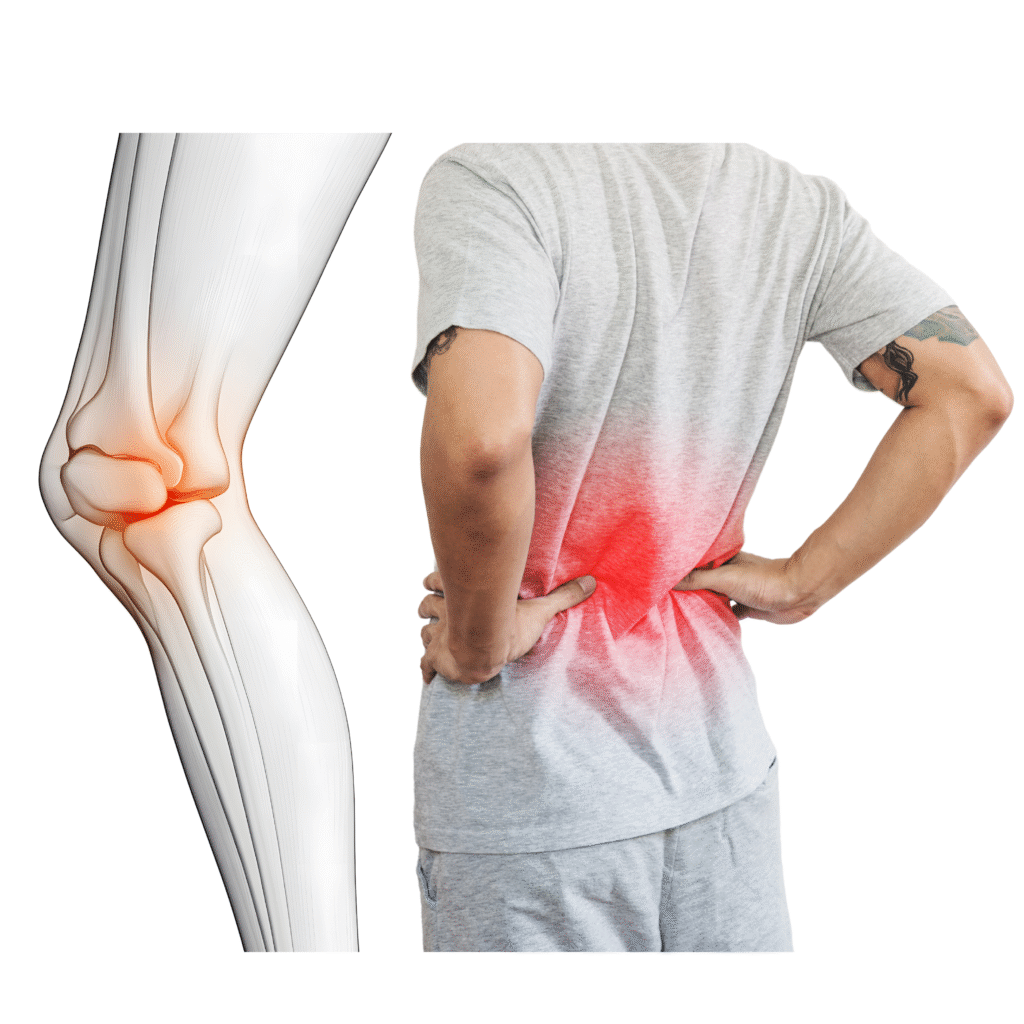
Extra weight puts pressure on bones and joints, leading to pain or stiffness.
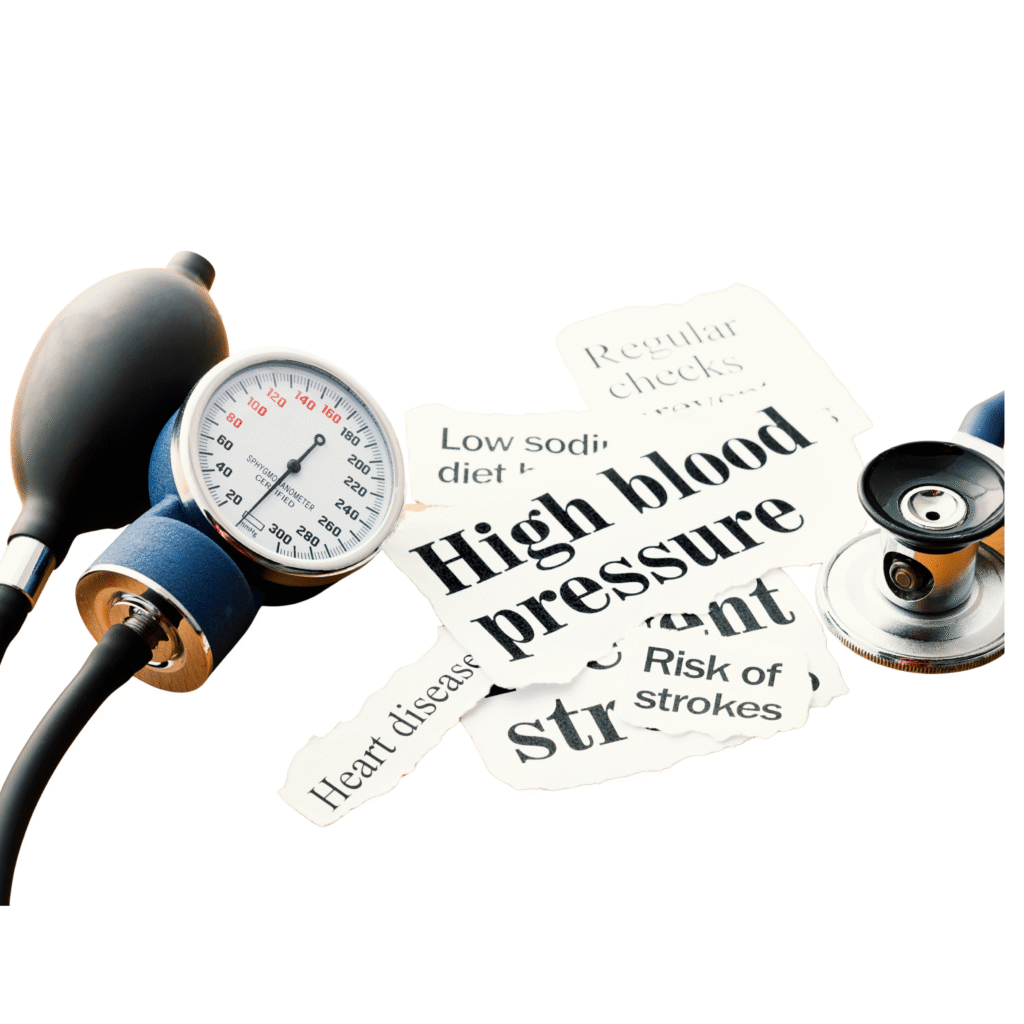
More body fat makes your heart work harder, increasing blood pressure